



About our V-Belt Pulleys and Taper Bushes
Cross+Morse Crown V-Belt Pulleys are all manufactured in fine grain Cast-iron of grade 220-260 using the latest Foundry processes, combined with CNC lathes for finishing. All Pulleys fully conform to ISO 4183 and DIN 2211 Standards, designed to fit both Wedge(narrow) and Classical V-Belts. We also offer the complete range of taper bushes for a complete solution off the shelf.
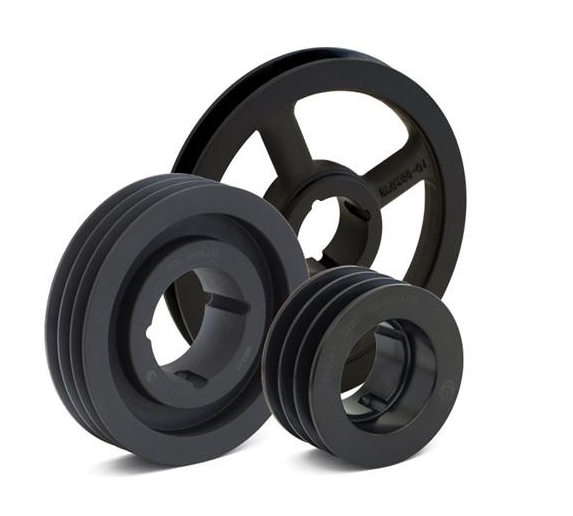
V Belt Pulleys
C+M stock high quality fine cast balanced pulleys finished with phosphate coating for SPZ, SPA, SPB and SPC belts; finished bores for taper bushes or pilot bore.
All pulleys are statically balanced to ISO 1940 Standard; pulleys up to 125mm pitch circle diameter balanced to grade G6.3; a residual unbalance of 2 grams on the pitch diameter being acceptable.
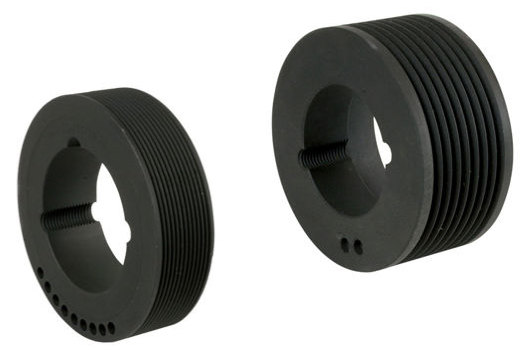
Poly-V Pulleys
Cross+Morse offer two types of Poly-V pulleys PPV-J and PPV-L made from cast iron EN-GJL-200 UNI EN 1561 pulleys offer higher power transmission capability due to their multiple ribs, reduced slippage, enhanced flexibility, and the ability to operate efficiently in smaller pulley diameters
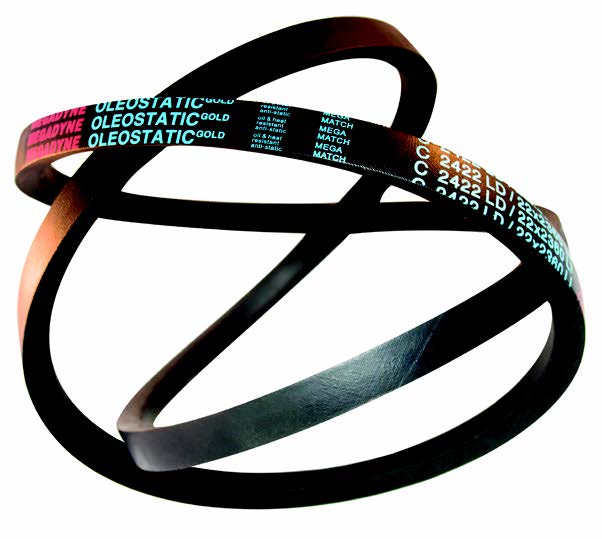
V-Belts
Cross+Morse are authorised distributors of Megadyne Oleostatic Gold V-Belts to suit Z – A – B – C – D – E – SPZ – SPA – SPB – SPC V-Belt pulleys. These Classical wrapped V-Belts are characterised by high performances, length stability during belts life, conductivity, oil and heat resistance. The new OLEOSTATIC GOLD V-belts products family can operate in a wide range of industrial applications, within a large spread of load capacities and speeds — offering rated performance from 100 to 8,000 RPM and power capability from 1 to 400 kW, meanwhile granting large cost advantages for the end users.
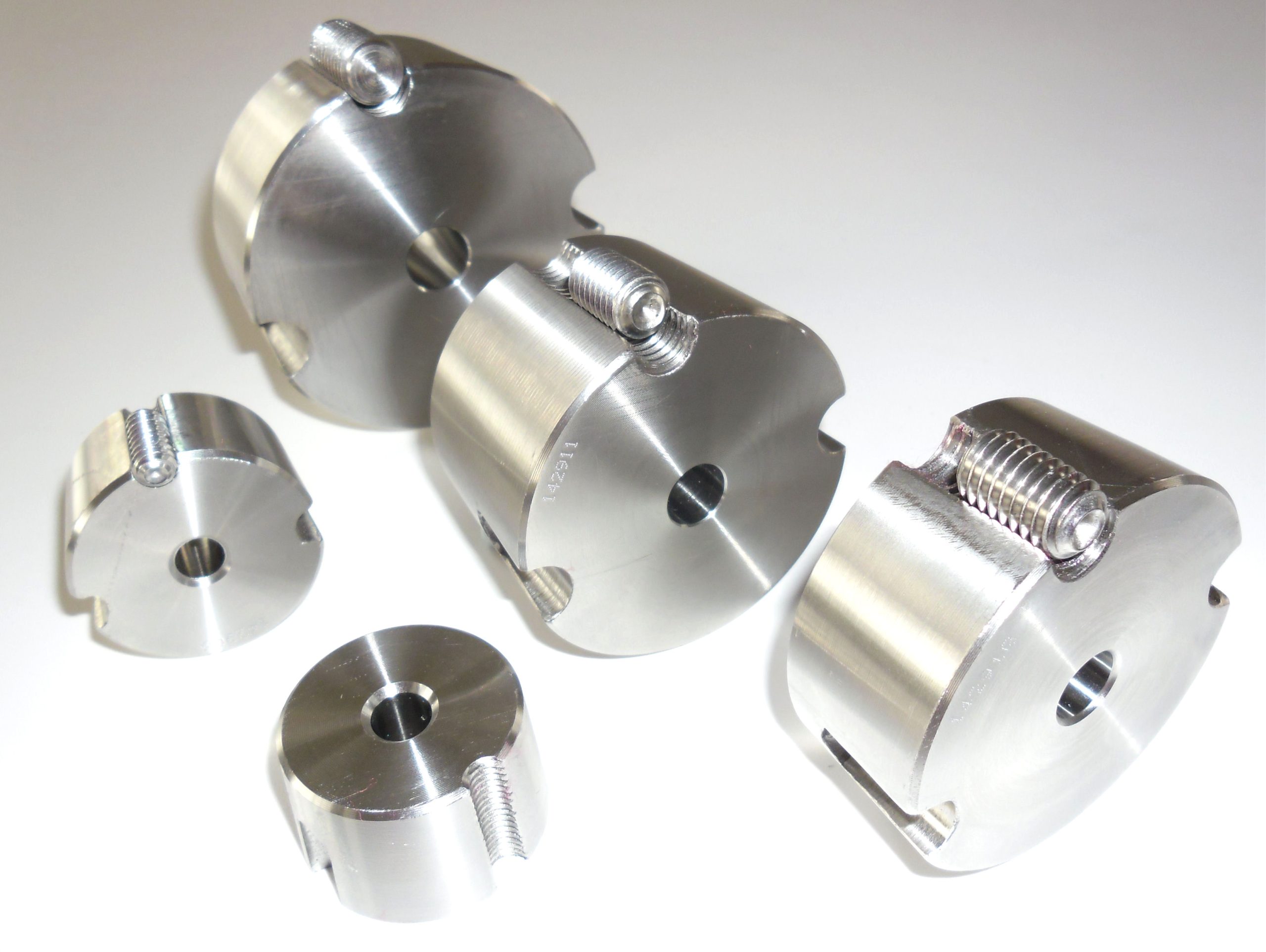
Taper Bushes
Taper bushes provide a low cost, simple, quick method of securing sprocket, pulleys and couplings to a wide range of standard metric and imperial dimensioned shafts of general commercial tolerances and finish.The taper surfaces on the bush and mating hub are driven together by high tensile screws, causing the split bush to be firmly contracted onto the shaft. The strong clamping force which can be achieved enables transmission of high torque without the problems of fretting associated with simple keyseated drives.